

There are a lot of operating systems out there, but only a few have become household names. And even though…
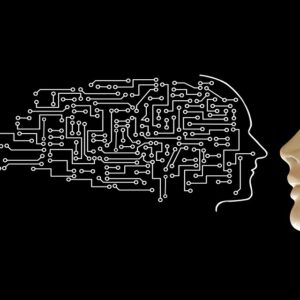
Are you worried about the potential rise of sentient machines? Are you concerned that AI will somehow become self-aware and…
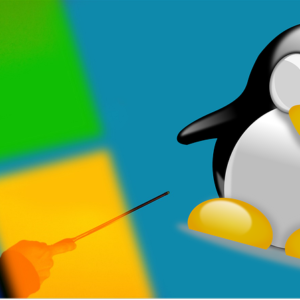
The first question to ask yourself when deciding whether to use Linux or Windows is whether you need a PC…

I’ll admit it: I’m a little AI-paranoid. And I’m sure that many of you are, too. It’s hard not to…

When the internet first came out, people thought it was going to change our lives. Since then, we’ve grown accustomed…
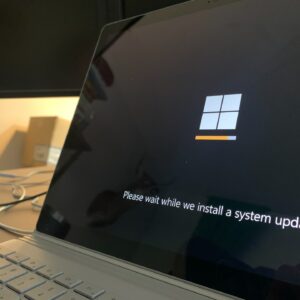
For many people, there are two main operating systems to choose from: Windows and macOS. The latter is Apple’s proprietary…

Artificial intelligence (AI) has infiltrated many facets of our lives and is now making strides in sports. AI can do…

Computers are a lot like people. They need an operating system to run their software, just as you need a…

Our world is changing faster than ever. We’re on the brink of a new era, one where artificial intelligence (AI)…

We all know that social media can be a great way to connect with friends and family. But what about…